
Sashbear’s Expert Education Series is a series of free, online, monthly presentations with international experts speaking on topics related to emotion dysregulation and family skills.
Whether you are a relative or friend, a person with lived experience of BPD, or a mental health service provider, you will find something in our library of presentations to help you understand more about BPD and emotion dysregulation.
Click here to find a list of upcoming presentations in French.
Upcoming Presentations
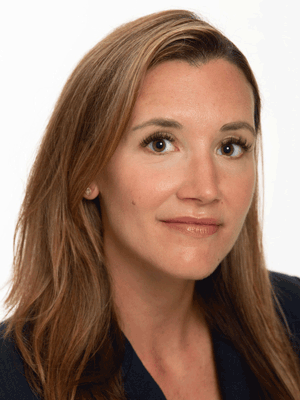
Dr. Amanda Uliaszek
Wednesday, October 21, 2026 | 7pm ET
BPD without the Blame: Breaking Stigma and Building Connections
Living with Borderline Personality Disorder (BPD) can be challenging, not only because of its symptoms, but also because of the stigma, blame, and shame that often shape relationships with family, friends, colleagues, and healthcare providers. This presentation explores how emotional expression and communication styles can become targets for misunderstanding, while also recognizing the challenges faced by family members supporting someone in distress. We’ll examine the impact of internalized stigma and the self-defeating thought patterns that can keep people feeling stuck. Drawing on years of research, clinical experience, and resources co-designed with people living with BPD, this presentation offers practical, compassionate strategies to reduce self-stigma, strengthen relationships, support caregivers, and foster greater understanding, connection, and hope.

Dr. Nina Mafrici,
Ph.D., C.Psych.
Ph.D., C.Psych.
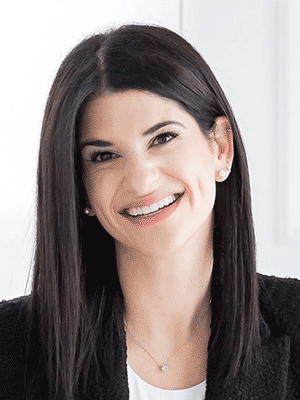
Dr. Michele Foster,
Ph.D., C.Psych.
Ph.D., C.Psych.
Wednesday, November 25, 2026 | 7pm ET
Understanding Eating Disorders: Early Identification and Evidence-Based Support
This webinar provides an overview of eating disorders in youth and adults, highlighting current risk factors, early warning signs, and the impact of sociocultural influences. Drawing on evidence-based practice, the presenters will discuss the importance of early identification and outline pathways to recovery through timely intervention, multidisciplinary care, and meaningful engagement of families and caregivers.
Recordings Coming Soon:
Behind the Screen: Digital Risk and Resilience in Youth Mental Health
The Impact of Educating Family Members & Significant Others with Knowledge, Skills and Hope
Putting Support Into Practice: DBT Skills for Families Facing Addictive Behaviours
When Therapy Gets Hard: Helping Loved Ones Stay Engaged in Treatment for BPD
Understanding DBT: The Lived Experience and Therapist Perspectives
Recordings of Recent Presentations
Library of Recorded Presentations
Explore our library of more than 70 presentations. We are adding more all the time. Head over to YouTube to start learning.
Topics include:
- Lived experience — living with borderline personality disorder
- Skills for family members — learning about dialectical thinking, relationship mindfulness, validation, and more
- Mental health disorders — what does emotional dysregulation look like when someone also has another mental health disorder such as PTSD or OCD
- Concerning behaviours — Gain understanding and skills to cope if your loved one is dealing with substance use, self-harm, or an eating disorder
- Trauma — Learn about the intersection of trauma and BPD. Recognize the potential and impact of trauma on family members
- Suicide, grief and loss
- Evidence-based treatment modalities — Dialectical Behaviour Therapy, Mentalization Based Therapy, Radically Open DBT, Mindfulness
- Indigenous cultural safety and awareness
Featured Presentations